We are all familiar with the first part of the Negro National Anthem, so I won’t put that here.
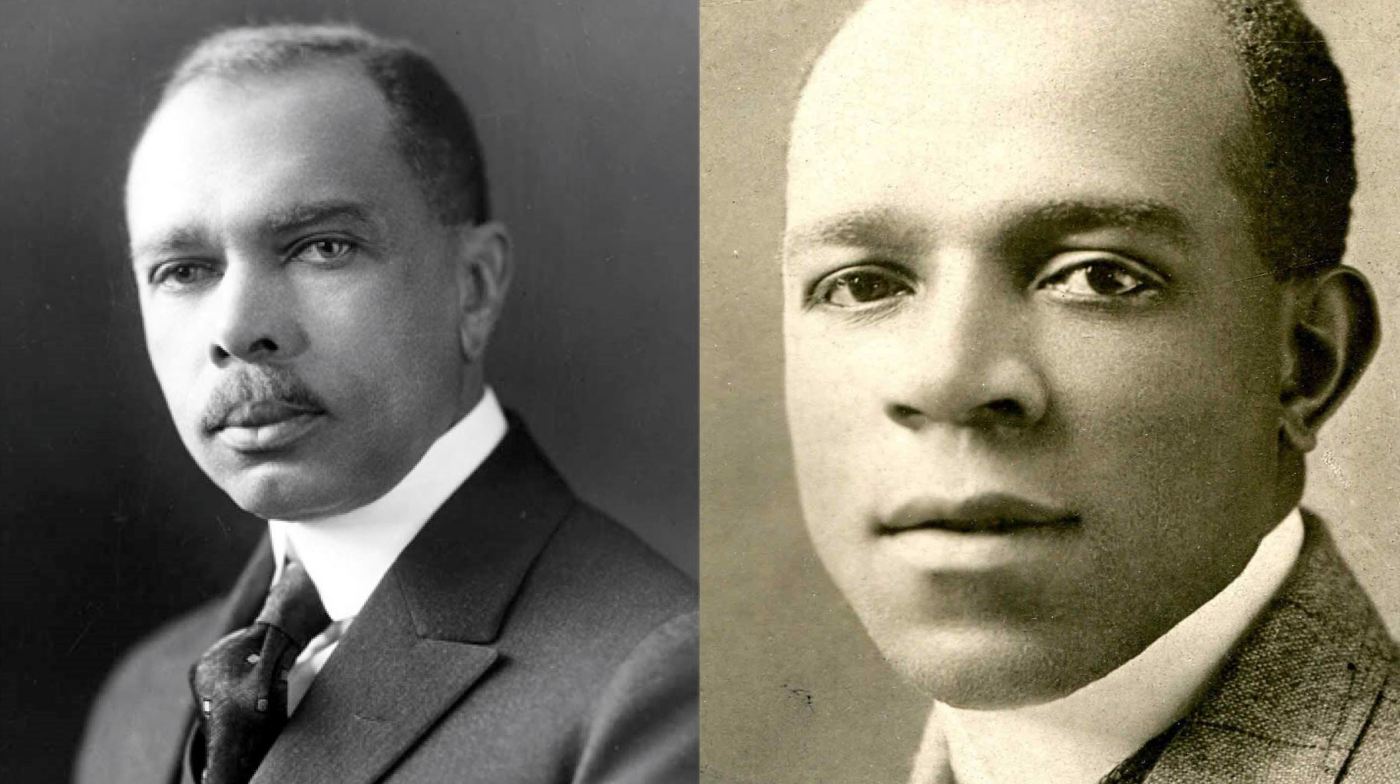
The Negro National Anthem was written by James Weldon Johnson and put to music by his brother J Rosamond Johnson. Both men were born within a decade of the “official” end of slavery in the USA.
With this song and with most parts of African American history, you need to dig a bit deeper to understand it. On the surface, it is a song of victory and overcoming, but when you really get with ALL the words, it also describes an unconscionable pain and a journey that arguably continues.
Let me share the part of the song most people don’t know. To provide context, this was written by men born just after the end of slavery.
Part 2
Stony the road we trod
Bitter the chastening rod
Felt in the days when hope unborn had died
Yet with a steady beat
Have not our weary feet
Come to the place for which our fathers sighed?
Part 3
We have come over a way that with tears has been watered
We have come, treading our path through the blood of the slaughtered
Out from the gloomy past
Till now we stand at last
Where the white gleam of our bright star is cast
Part 4
God of our weary years
God of our silent tears
Thou who has brought us thus far on the way
Thou who has by Thy might Led us into the light
Keep us forever in the path, we pray
Part 5
Lest our feet stray from the places, our God, where we met Thee,
Lest, our hearts drunk with the wine of the world, we forget Thee;
Shadowed beneath Thy hand,
May we forever stand.
True to our God,
True to our native land.
My questions are:
- Have we as a people become anesthetized to our pain or has an acknowledgement of it become untenable?
- Have we become so worried about fitting in that discussing the pain of our people has become so unacceptable to others that we are ok with letting it go, even when it repeats itself over and over again?
- Has a discussion of what was inflicted on a people so disturbing that it may be possibly deemed unforgiveable and therefore controversial?
Much has been discussed about critical race theory, but the politics of today distort what the request/demand really is:
Just acknowledge what actually happened!
- Acknowledge that we are the descendants of people who were stolen from their homelands where we were kings and queens, teach all the children that our (black) history did not begin with our enslavement.
- Acknowledge that when we were brought here we were stripped of more than our language and culture, but stripped of our humanity, a practice that we gleefully pick up ourselves.
- Acknowledge that we were not allowed to have our own families until almost the 20th century and that our men had to endure that our women and children belonged to someone else. A narrative that painfully exists today.
- Acknowledge that we fought for YOUR freedom when we did not have it ourselves. In fact, if you want to say a patriot is someone who gave their life for their country, someone who looked like us was the first American Patriot. This means that this is our country too!
So the song itself is IMO a great summary of our struggle as a people, accordingly when I hear and reflect on the words this is what I hear.
- Part 2 Talks about the journey here, being beaten into submission and being taught and knowing from birth that we were “less”, yet remaining faithful that we would find our place.
- Part 3 Talks to the pain of that journey. So much senseless pain, so much needless death inflicted upon us, a journey we took alone and with no remorse from our captors or their allies.
- Part 4 Talks to our prayer to our creator to stay strong and stay faithful and if we stay true to who we are our light will shine one day.
- Part 5 is an admonition to keep going, keep being strong and describes our ongoing and necessary struggle to discover who we are and whose we are and what exactly is our native land. Sometimes the land from which we come and the land where we are now seems equally unaccepting of us.
As our elders might say: Just tell the story!
You see, in this version of history, YOU do not get to be the hero of every story, sometimes you were the villain.
There is ZERO pain in acknowledging the past if you are willing to do it openly and honestly.
In fact, people are more willing to listen to you if you are willing to own up to what happened.
Doing this also makes it easier to view each other as fully human and not relate to each other as master and slave. Another struggle that continues on to this day.
Saying I made a mistake and truly owning it actually enhances your credibility.
It was not perfect, but if having a conversation about Truth and Reconciliation happened in South Africa, why not here?
Let’s choose a different path, but in order to do that, we need to re-discover and collectively come to terms with what the old one was.
Or maybe some of us, on both sides of this conversation, enjoy the current path.
Enjoy the music: Whole song is below!


 Quiet Thunder
You must be logged in to post a comment.